Cultural Fire
Building Disaster-Ready Communities
Project Overview
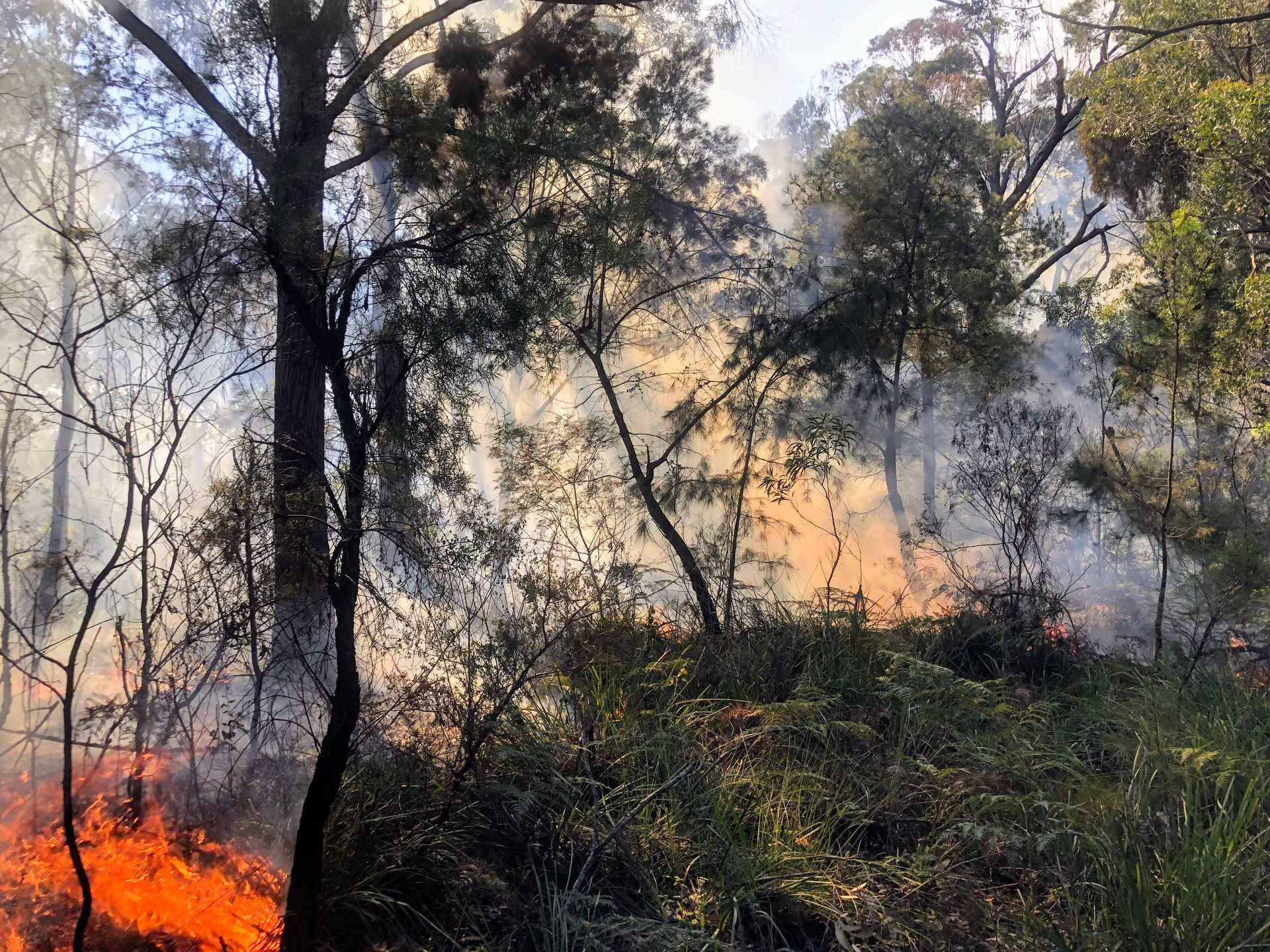
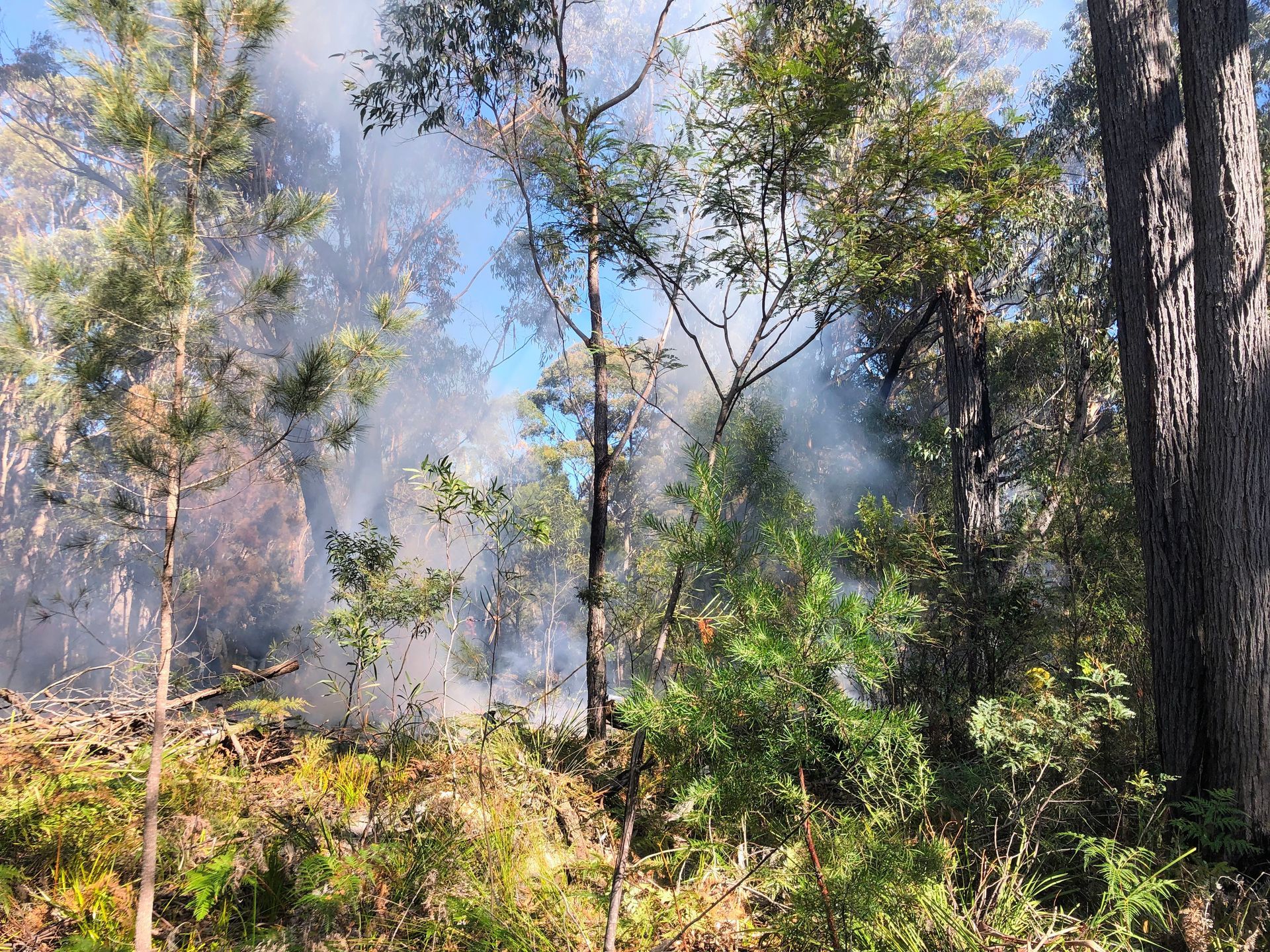
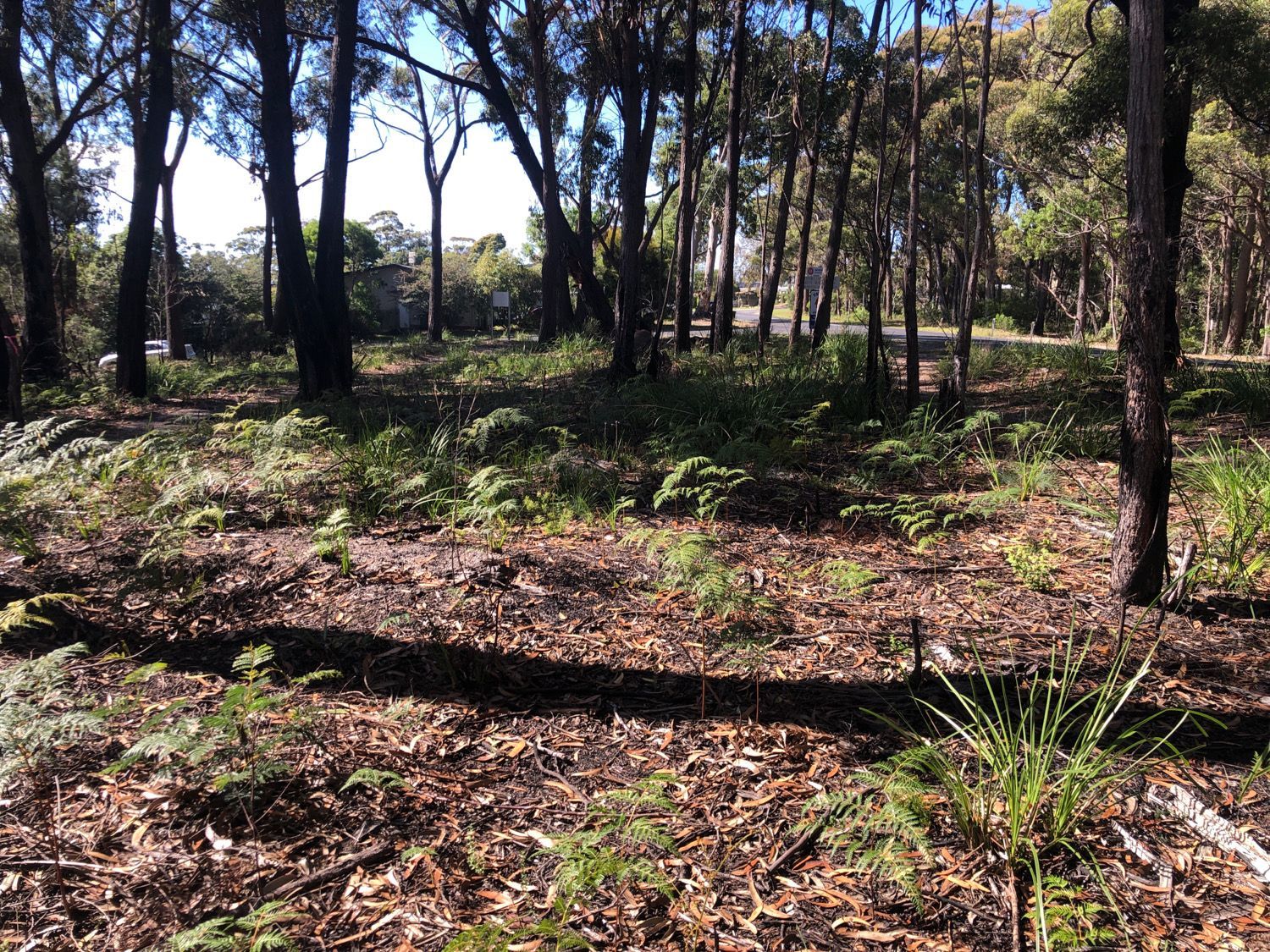
Cultural Fire - Building Disaster-Ready Communities is a project that aims to highlight knowledge sharing and community participation as a means to build resilience, preparedness and better understanding around cultural burning practices.
This project will advocate for the integration of cultural land management practices, such as cultural burning, into the disaster readiness framework along the coastal and urban fringes. Evidence, alongside scientific monitoring tools, will be used to demonstrate the critical role that these practices play in mitigating wildfire risks and enhancing biodiversity.
Outcomes
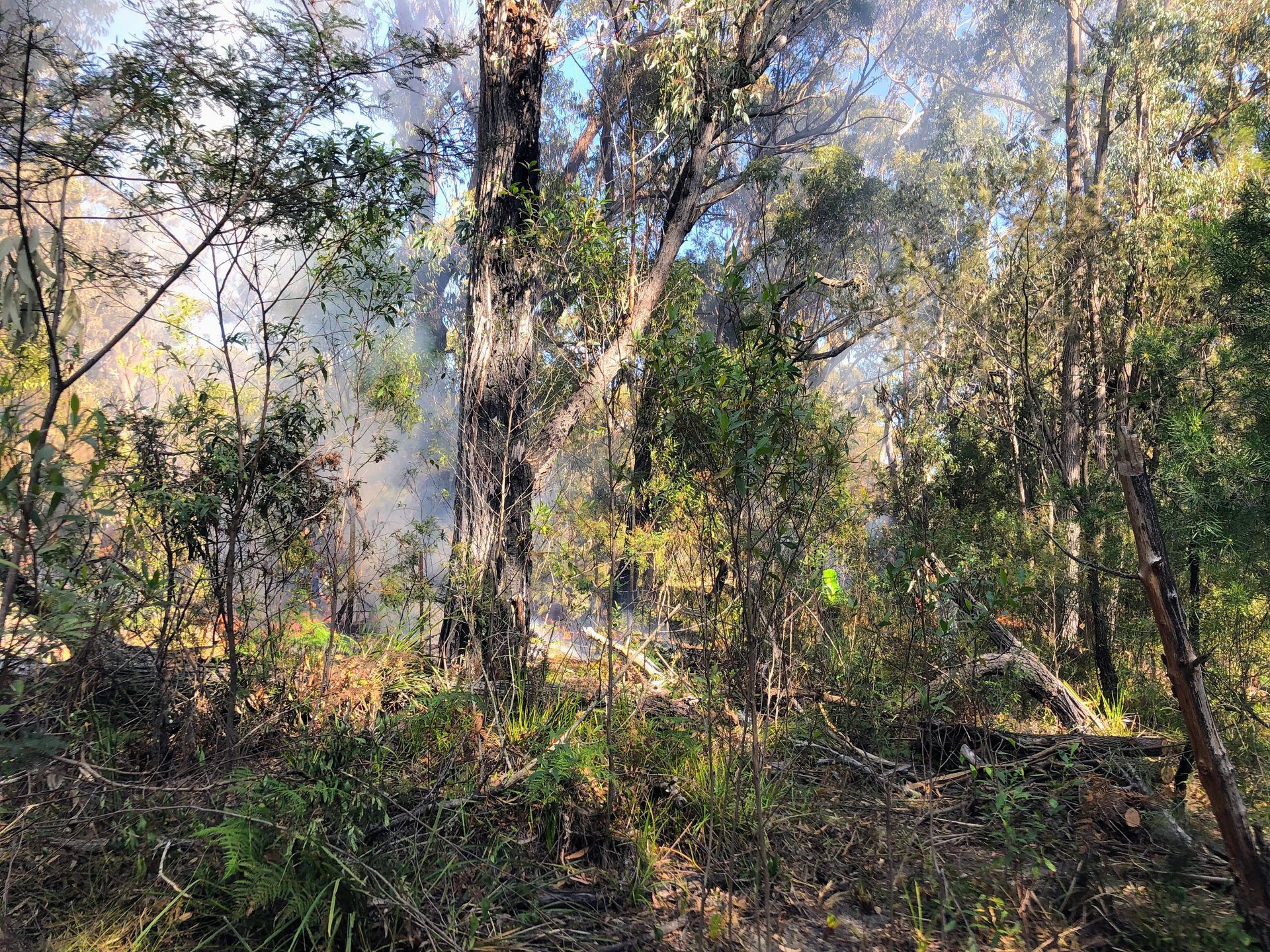
- Provide contemporary evidence to validate the importance of a traditional practice of cultural burns which will lead to broader understanding of the practice and its importance as a bushfire mitigator.
- Outcomes flowing from the evidence gathered will lead to an increased likelihood of ongoing funding and reduced insurance premiums to enable cultural burning to be used regularly reducing the risk of bushfires in and around the urban fringe
- Data and other evidence gathering will demonstrate how and why Cultural burning is a safe and effective bushfire mitigation treatment on the urban fringe.
FAQs
What is cultural burning?
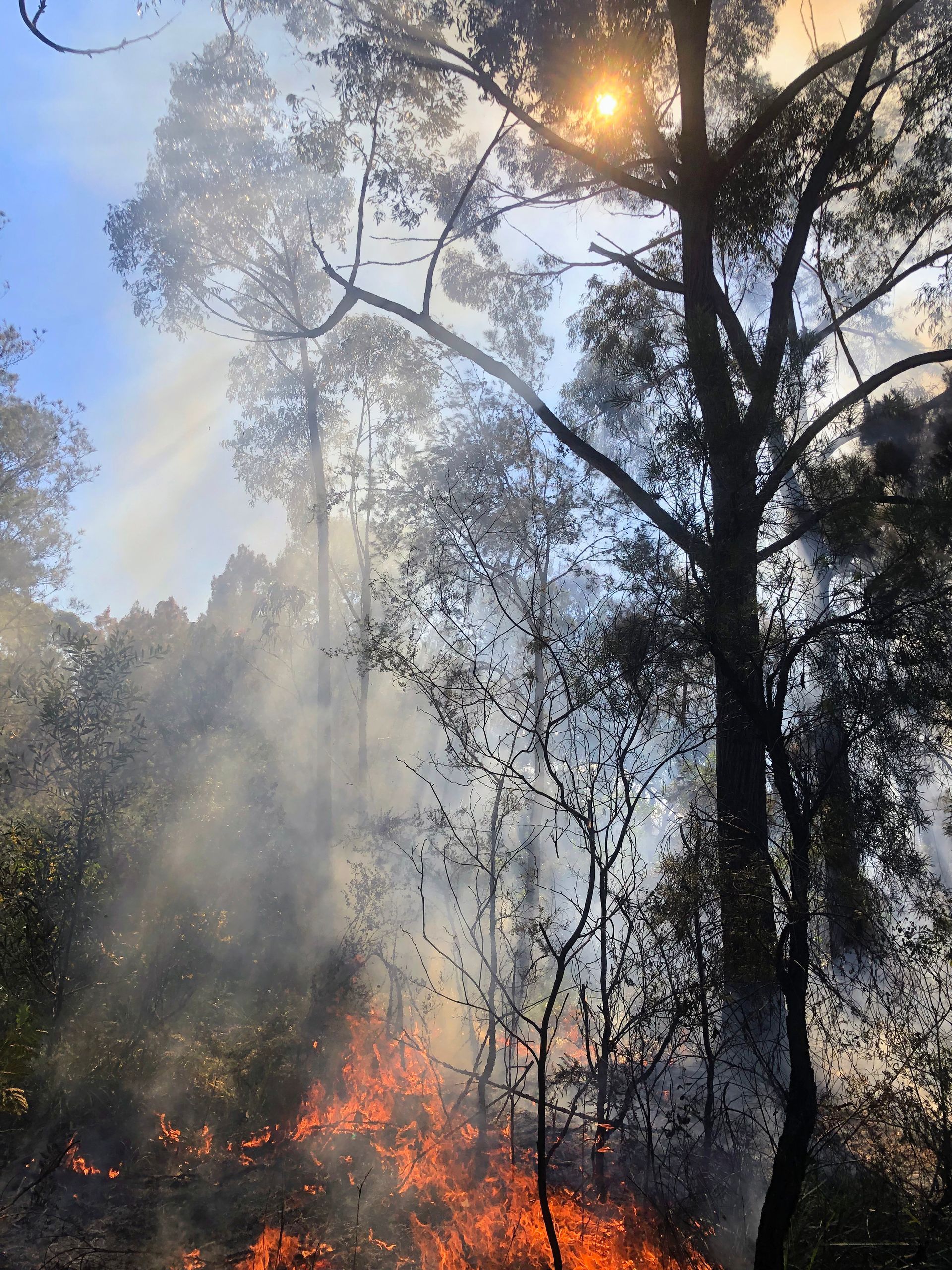
Cultural burning is a Traditional Aboriginal land management practice that has been used for over 60,000 years to manage land, plants, and animals. It involves using low-intensity, carefully timed fires to care for Country and maintain healthy ecosystems.
How does cultural burning benefit the environment?
Cultural burning helps to reduce fire hazards, encourages new growth of culturally significant species, and protects native wildlife. It also stimulates seed germination, improves soil, and provides natural therapeutic benefits for fauna.
Who conducts cultural burning?
Cultural burning is led by Aboriginal fire practitioners, Elders, and community members who have been taught these cultural techniques from Aboriginal people with appropriate fire knowledge.
What are the benefits of cultural burning?
The benefits of cultural burning include lowering carbon output, stimulating seed germination, providing natural therapeutic benefits for fauna, and passing on Traditional Knowledge to younger generations.
How is cultural burning different from hazard reduction burning?
Cultural burning is localized and tailored to the needs of specific landscapes, while hazard reduction burning is a large-scale method used to reduce fire hazards across entire regions. Cultural burning is also more frequent and occurs during specific times of the seasonal calendar.
Why is cultural burning important?
Cultural burning is important because it helps to maintain habitat diversity, supports the plants and animals that depend on healthy ecosystems for food and shelter, and strengthens the resilience of the landscape.
How is cultural burning practiced?
Cultural burning is practiced by Aboriginal people across Australia, guided by traditional ecological knowledge and following the natural patterns of the landscape. It involves creating a mosaic of burnt and unburnt areas to support a range of plant and animal life.
What role does cultural burning play in climate change?
Cultural burning can help mitigate the effects of extreme bushfires caused by climate change by reducing the intensity of bushfires during dry periods and creating natural firebreaks.
How is cultural burning taught and passed on?
Cultural burning is taught and passed on through traditional knowledge systems
Contact
James Hagan – Project Coordinator specialprojects@begalalc.org.au
Peter Dixon – Project Manage/Lead Burn Practitioner projects@begalalc.org.au
This project is jointly funded by the NSW Reconstruction Authority and the National Emergency Management Authority